KLINGELNBERG
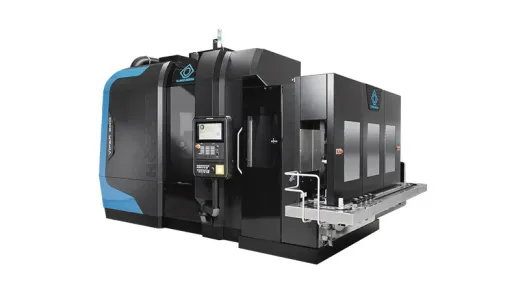
KLINGELNBERG Speed Viper² 80
Distance between centres: 295 - 895 mmWorkpiece diameter, max.: Ø 80 mmCountry of manufacture: Switzerland / Germany
PRICE ON REQUESTDetails →
KLINGELNBERG and Höfler gear grinding machines: 25 models, gears from Ø80 to Ø8000 mm, module up to 45 mm.
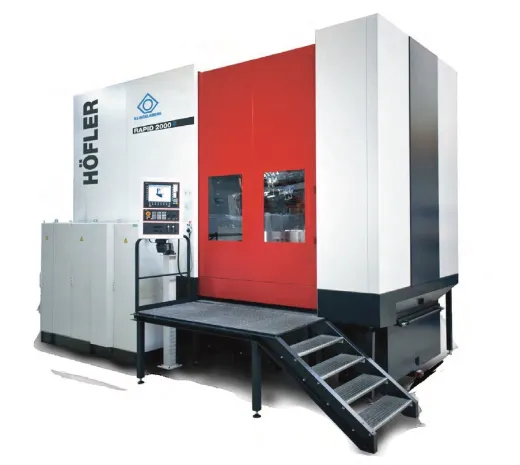
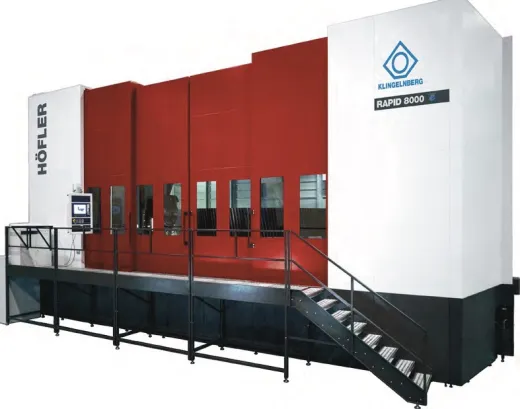
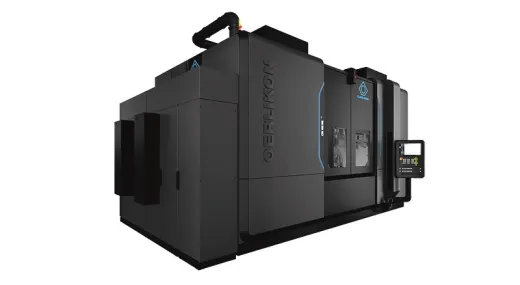
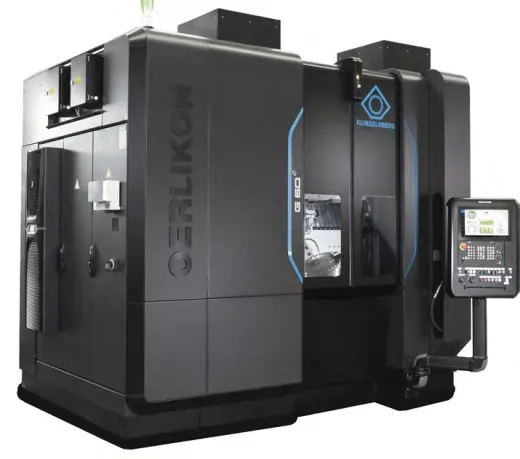
Gear teeth are ground after hardening — and that is precisely why grinding is needed. Heat treatment distorts the metal: a profile cut before hardening no longer holds its accuracy grade afterwards. Grinding removes the distortion and brings the gear to the required accuracy and surface finish.
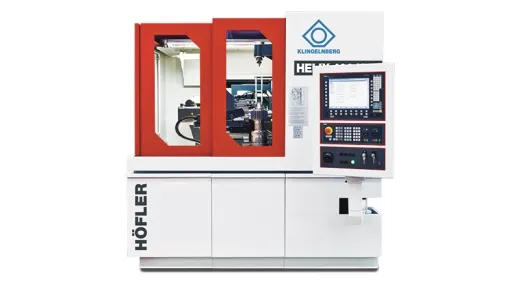
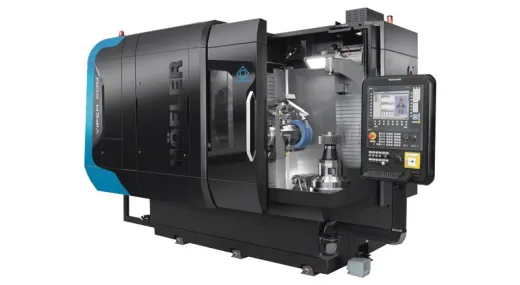
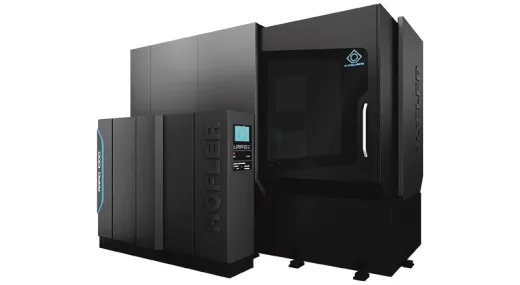
This is the widest line in the section, and it splits by gear size. Speed Viper covers Ø80–300 mm with generating grinding for series work, and the Speed Viper² versions carry two workpiece spindles. HELIX 400 and VIPER 500 cover Ø400 and Ø500 mm. RAPID runs from Ø650 to Ø8000 mm — gears for wind-turbine gearboxes, rolling mills and marine drives, with table loads up to 40,000 kg. The G 30 / G 35 / G 60 / G 80 machines stand apart, for bevel gears.
Selection follows three numbers: gear diameter, module and face width. Part weight is checked separately — it limits the work as often as diameter does. After grinding the result is confirmed on a measuring centre: an accuracy grade cannot be judged by eye. The rest of the equipment is in the gear section.
Send your part parameters — we'll select and quote.