LUNA
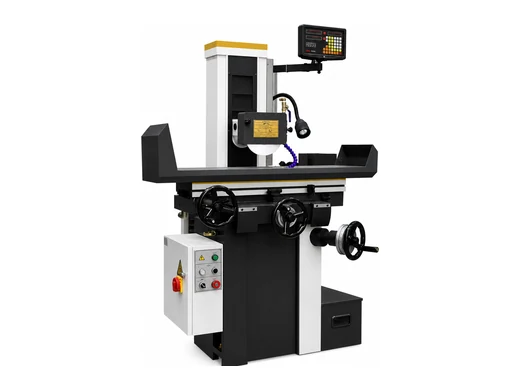
LUNA Atlas S 618A
Grinding type: Surface grindingCountry of manufacture: ChinaControl: Manual
PRICE ON REQUESTDetails →
LUNA Atlas and Palmary grinding machines: surface, cylindrical, centerless and gantry — from manual to CNC.
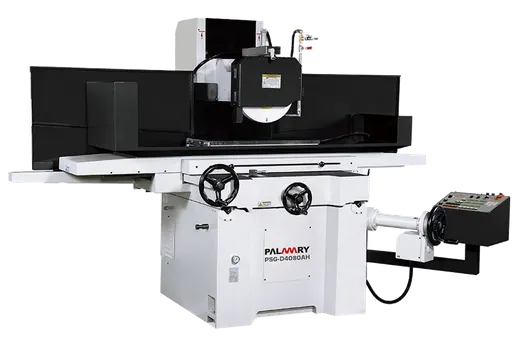
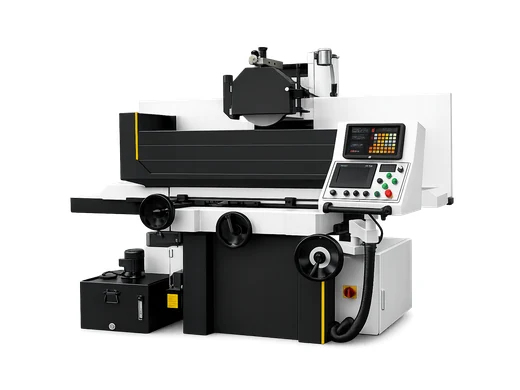
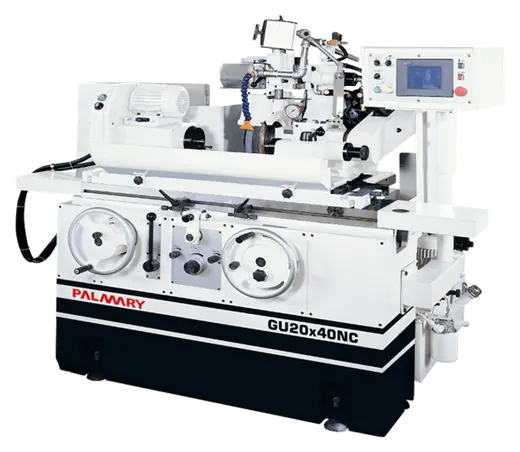
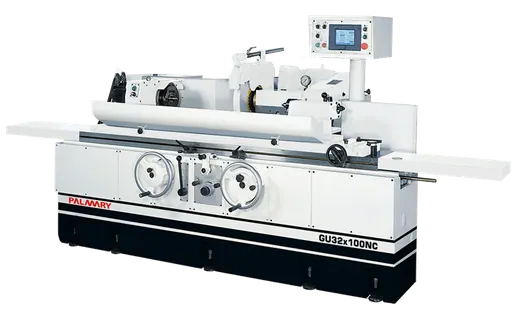
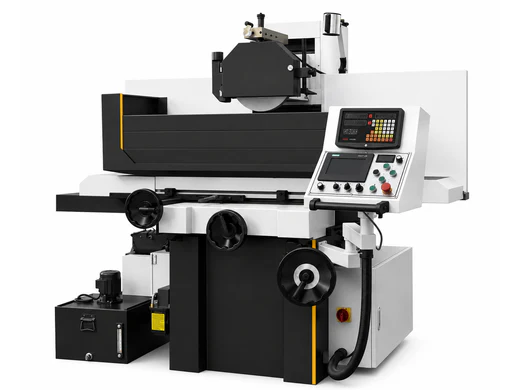
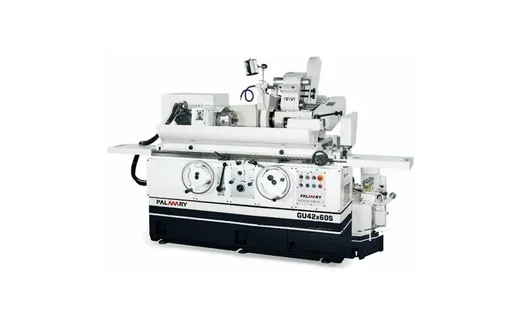
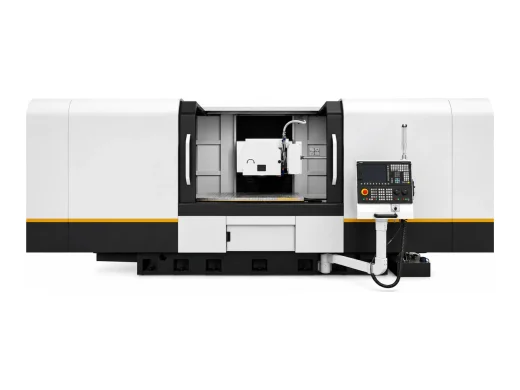
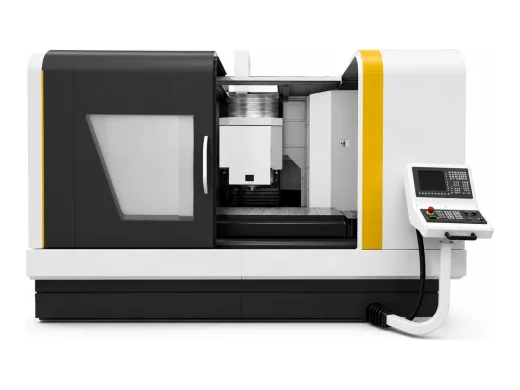
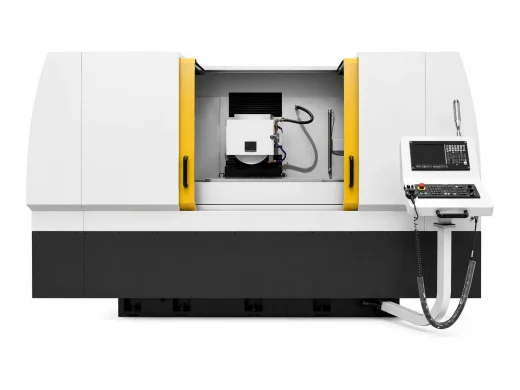
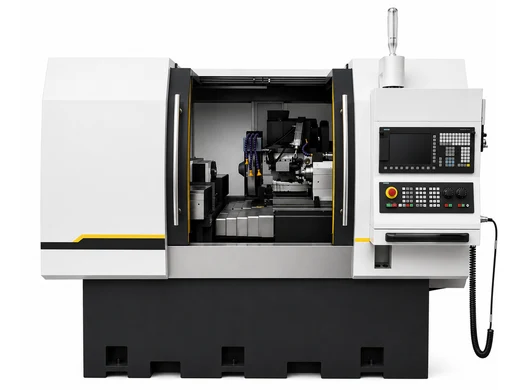
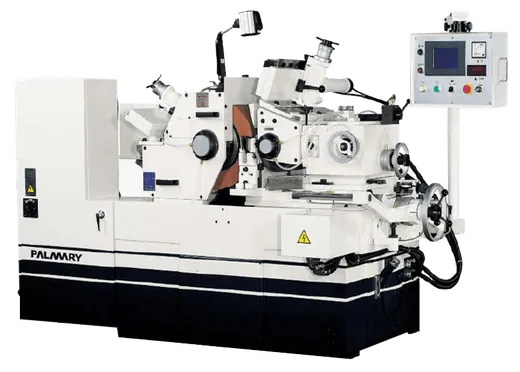
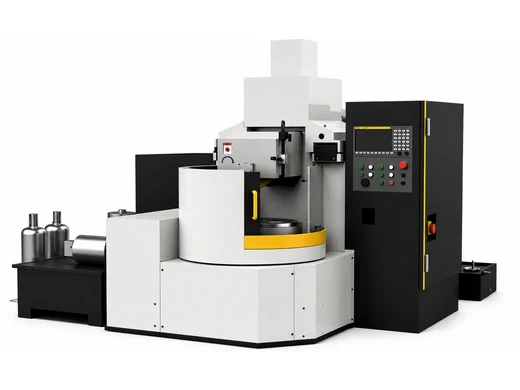
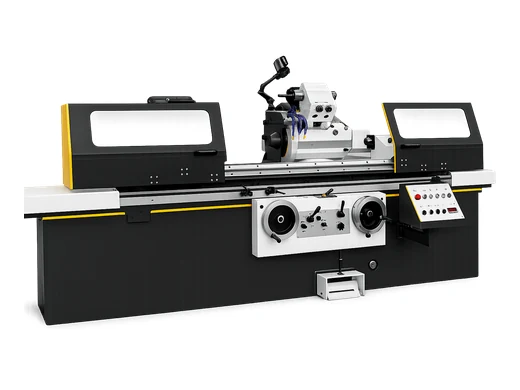
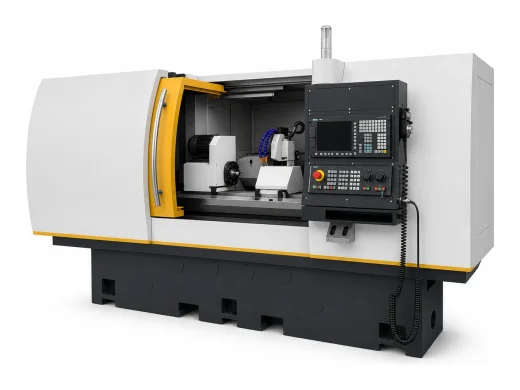
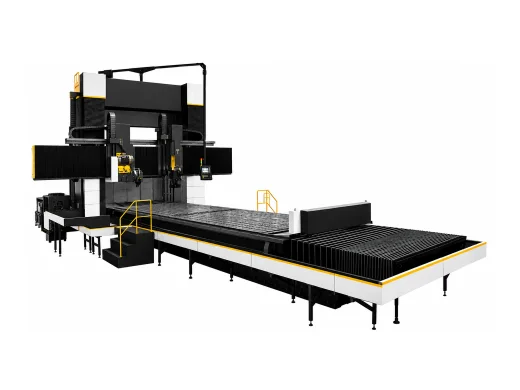
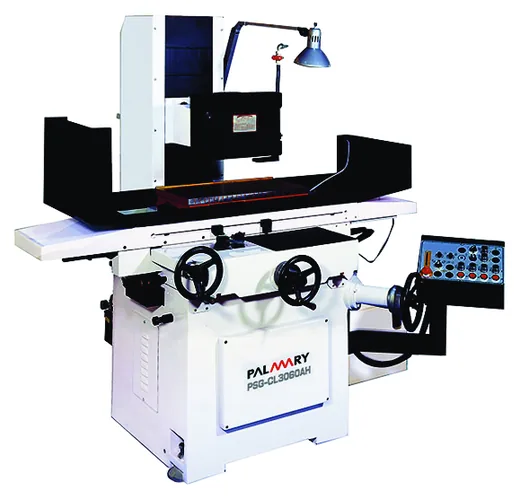
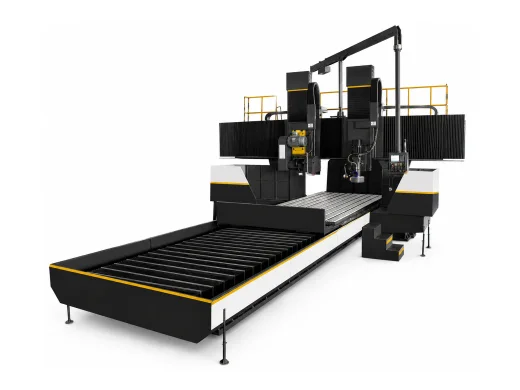
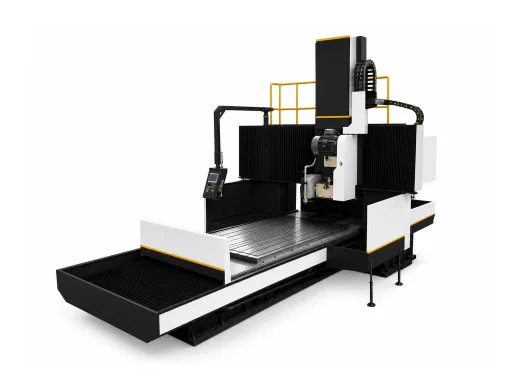
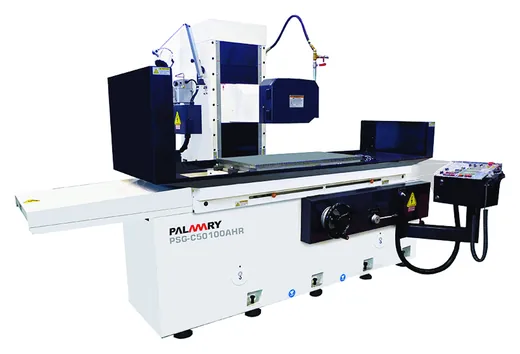
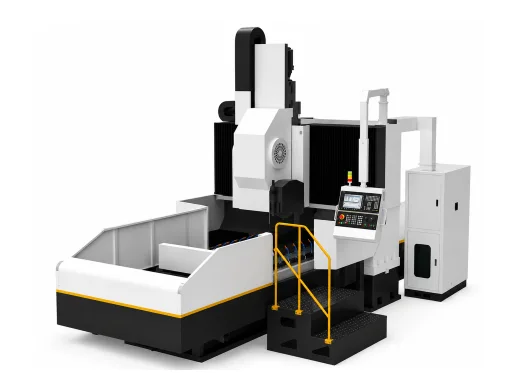
Grinding is the last operation, when the part has already been turned or milled and now needs hundredths of accuracy and a clean surface. The wheel removes tenths and hundredths of a millimetre where a cutting tool no longer works: on hardened steel, on precision fits, on mirror-flat faces. The catalog carries our own LUNA Atlas machines and Taiwanese Palmary ones: tables from 460×180 to 3000×6000 mm, diameters from 1 to 800 mm and surface finish down to Ra 0.04 µm.
| Type | What it machines | Sizes in the catalog | Models |
|---|---|---|---|
| Surface grinders | flat faces, parallelism, slots, ends of plates and punches | tables from 450×150 mm up to 2200 mm long | LUNA Atlas S, Palmary PSG H, AH, AHR and NC |
| Cylindrical grinders | shafts, axles, bearing journals, tapers, internal bores | Ø5–800 mm, 400–5000 mm between centers | LUNA Atlas C, Palmary GU |
| Centerless grinders | batches of short round parts: pins, rollers, axles, bushings | Ø1–160 mm | Palmary PC |
| Gantry surface grinders | large plates, beds, guideways, welded frames | tables up to 3000×6000 mm, weight up to 60 t | LUNA Atlas G |
The same type of machine comes with different controls, and the catalog has separate sections for them. Manual and hydraulic — the operator moves the feeds or sets the table stroke hydraulically. NC — servo drives on the vertical and cross axes, with the cycle set on the control: NC surface grinders and NC cylindrical grinders. CNC — all axes with interpolation and a program: CNC surface grinders and CNC cylindrical grinders. The higher the automation, the less repeatability in a batch depends on the operator.
Send a drawing with tolerances and surface finish, the material and hardness, the sizes and the monthly quantity — we will select the type, model, wheel and tooling and cost delivery and commissioning. Grinding usually follows turning or milling, and those sections are next door.
The shape of the surface decides. Flat faces, parallel and square sides and slots call for a surface grinder. Cylindrical surfaces — shafts, bearing journals, tapers and internal bores — call for a cylindrical one. For batches of short shafts and pins there is a third option, centerless grinding.
Repeatability and complex profiles. On a CNC machine the cycle, with all passes, spark-out and wheel dressing, is stored in a program, so the second part comes out like the first whatever the shift. On one-off parts there is almost no gain: a hydraulic machine is quicker to set up.
The catalog cards state from Ra 0.63 down to Ra 0.04 µm depending on the model. These are achievable figures in a set-up cycle: with the right wheel, fresh dressing, stable coolant and no vibration. The settings for a particular part are worked out at commissioning.
The price depends on the type, size, control and tooling, and on delivery terms, so it is not listed on the site. Send a request and we will prepare a quotation including delivery, commissioning and training.
A drawing with tolerances and surface finish, the material and its hardness after heat treatment, the size and weight, the grinding allowance and the monthly quantity. From this we select the type of machine, the wheel and the tooling.
Send your part parameters — we'll select and quote.